How to wear a slip dress in winter: length and fabric
Knowing how to wear a slip dress in winter starts with choosing a midi length that sits below the knee. Anything shorter exposes too much leg even with thick tights, and you end up cold on the commute or at the pub. A longer hemline also balances chunky boots and heavier layers without the proportions going wrong.
Satin is the classic choice for party season, but heavier crepe or jersey slips hold their shape better under knitwear. Lightweight satin skims the body and works for evening, while a thicker weave gives you structure for daytime wear. Skip anything too sheer or you will see every seam of what you layer underneath.
Layer under: fitted long sleeves and roll necks
A fitted roll neck or long sleeve top worn underneath is the simplest way to make a slip dress winter ready. Choose something thin enough that it does not bulk under the dress but warm enough to keep you comfortable. Black works with everything, but a tonal match in cream or grey looks more deliberate.
The neckline of the slip dress matters here. A V-neck or scoop works best because you can see the layered top, which is the whole point. If the dress has a high neck already, layer a thin long sleeve underneath instead of a roll neck to avoid fabric bunching at your throat.
Layer over: knits, jackets and blazers
A chunky knit worn over the top makes any slip dress winter outfit feel intentional rather than like you forgot your coat. Leave the dress straps visible or tuck them in depending on the look you want. Cropped jumpers work well with midi lengths because they show the dress silhouette, while an oversized cardigan gives you coverage for colder days.
Tailored jackets and blazers add structure if you are heading to the office or dinner. A wool coat over the dress looks polished for evening, but swap it for a denim jacket if you want something more relaxed. Avoid puffer jackets unless they are cropped, or the proportions get lost.
Tights and boots that work
Opaque tights in 60 denier or higher are essential. Anything sheerer looks too summery and does nothing for warmth. Black is the safe choice, but burgundy or forest green can work if the dress colour allows it. Fleece lined tights are worth it for outdoor events or long waits at the bus stop.
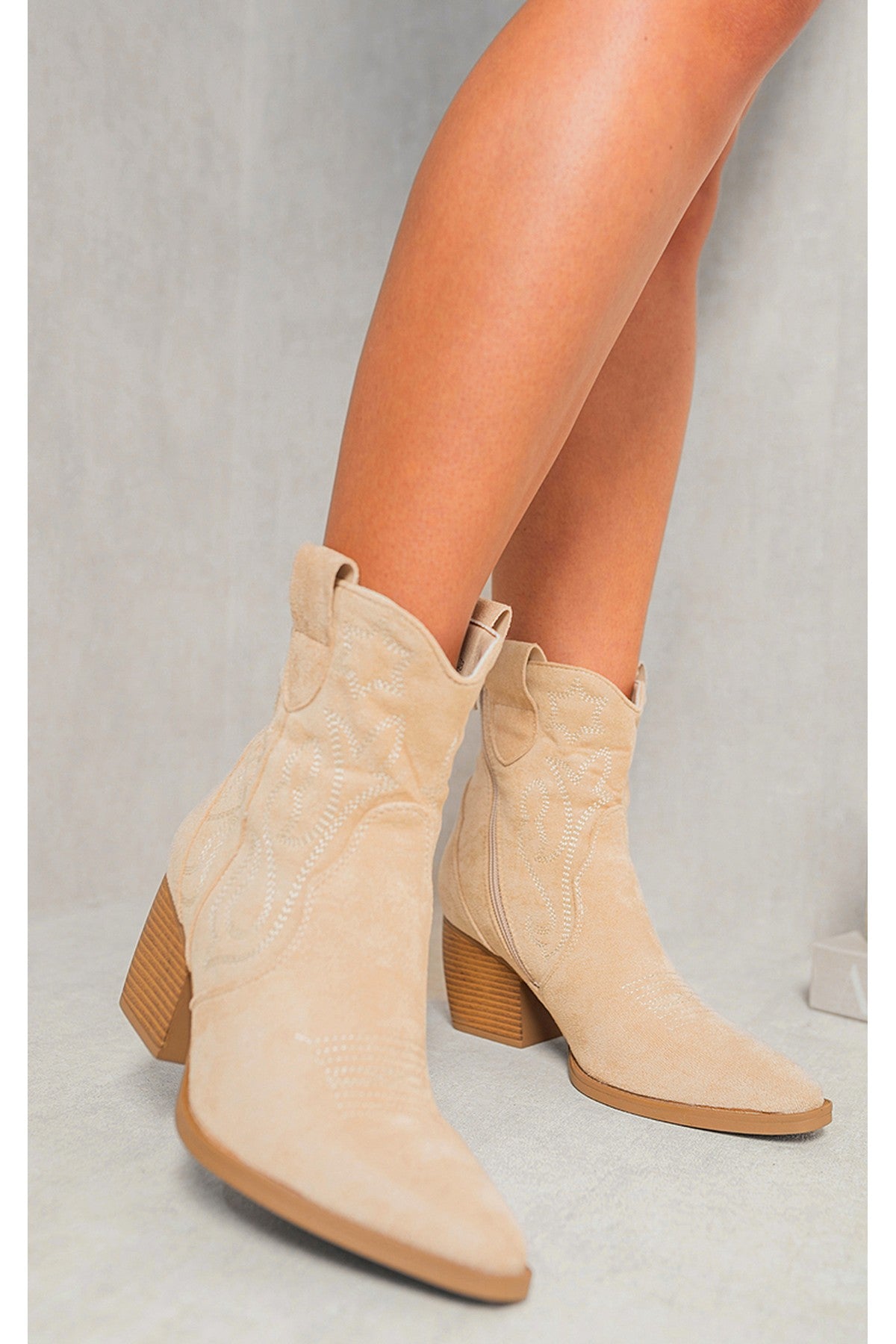
Ankle boots with a block heel between four and eight centimetres give you height without the instability of a stiletto on wet pavement. Chunky soles add edge and work well for day, while a sleek pointed toe suits evening. Knee high boots are another strong option because they cover more leg and make the whole outfit feel more cohesive. How to style a satin dress with boots comes down to balancing the delicate fabric with something sturdy.
Shop Ankle Boots
Shop all


Day versus evening styling
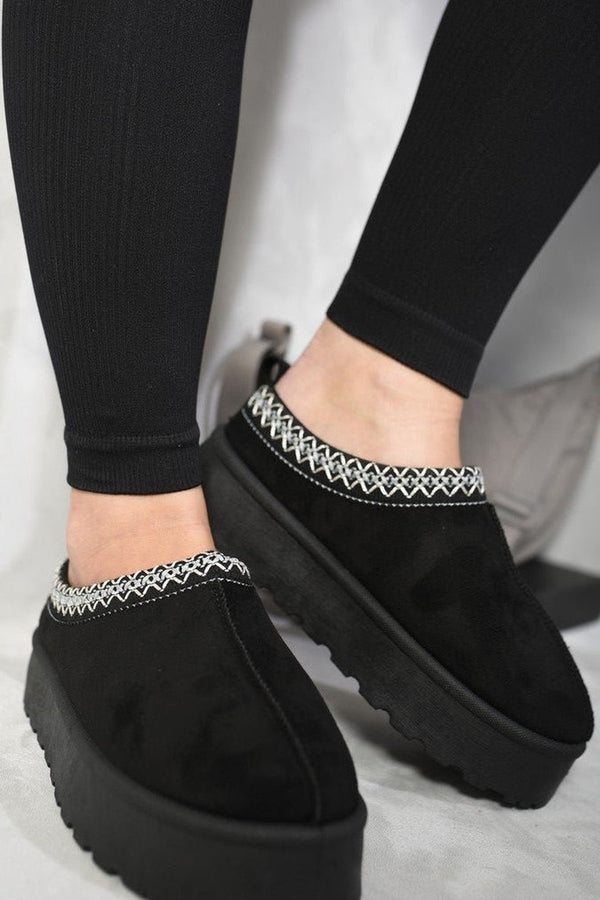
For daytime, layer a roll neck underneath and add a chunky cardigan or oversized blazer. Flat or low heel boots keep it practical, and a crossbody bag finishes the look. This works for the office if you keep the colours neutral and avoid anything too shiny. Our guide to making midi dresses office ready has more on that.
Evening is where satin comes into its own. Wear the dress on its own or with a fitted long sleeve underneath if the venue is cold. A tailored coat or faux fur jacket over the top keeps you warm between the taxi and the door. Swap chunky boots for a streamlined pair with a higher heel, and add a small bag. Keep jewellery simple so the fabric stays the focus.
Shop Midi Dresses
Shop all


Mistakes that make it look summery
Wearing a slip dress with bare legs and strappy sandals is the obvious one, but there are subtler mistakes too. Thin tights under 40 denier do nothing for warmth and make the whole outfit look like you are pretending it is still August. Similarly, a flimsy cardigan or denim jacket that does not close properly leaves you shivering and ruins the effect.
Pastel colours and floral prints can read as summery even with the right layers. Stick to jewel tones, black, burgundy or metallics for winter. Avoid pairing a satin dress with anything too delicate like ballet flats or a woven bag, because the contrast makes the dress look out of season. You want everything to feel intentional and warm.
Frequently asked questions
Can you wear a slip dress in winter?
Yes, you can wear a slip dress in winter by layering it with fitted roll necks, chunky knits and opaque tights. Choose a midi length that sits below the knee and pair it with ankle or knee high boots. Add a tailored jacket or wool coat for warmth, and stick to jewel tones or metallics rather than pastels to keep it seasonal.
What goes under a slip dress?
A fitted roll neck or long sleeve top goes under a slip dress to add warmth and coverage. Choose something thin enough that it does not bulk under the fabric but warm enough for winter weather. Black, cream or grey works well, and opaque tights in 60 denier or higher are essential for bare legs underneath the hemline.
What shoes do you wear with a satin dress in winter?
Ankle boots with a block heel between four and eight centimetres work well with a satin dress in winter, as do knee high boots with chunky soles. Choose opaque tights in 60 denier or higher to keep legs warm. Avoid strappy sandals or ballet flats, which make the outfit look summery even with the right layers on top.