


Start with thin, warm base layers
How to layer in winter without looking bulky starts at the skin. A tight, lightweight base holds heat close and takes up zero visual space under everything else. Look for fitted tops in fine-gauge fabrics that sit flat against your body, not bunchy cotton tees that ride up or add thickness at the waist.
Tuck your base into your trousers or skirt so it stays put all day on the commute or at your desk. A crew neck works under almost anything. A high neck gives extra coverage without a scarf indoors.
Mid layers: knitwear that does not swamp
Bulk creeps in here if you are not careful. A cropped or waist-length jumper over a base layer keeps your proportions intact, especially with high-waisted bottoms. Skip drop shoulders and oversized sleeves that add width through your frame.
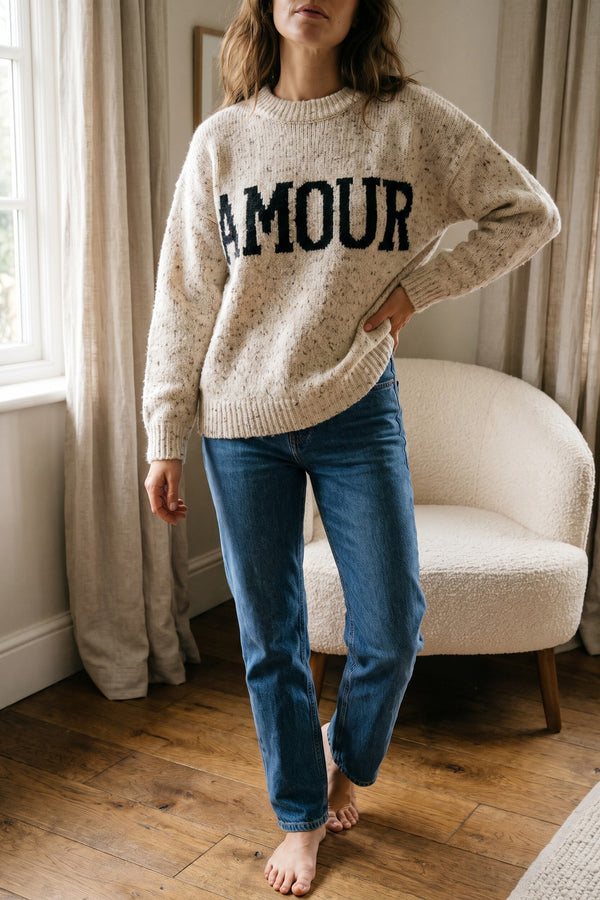
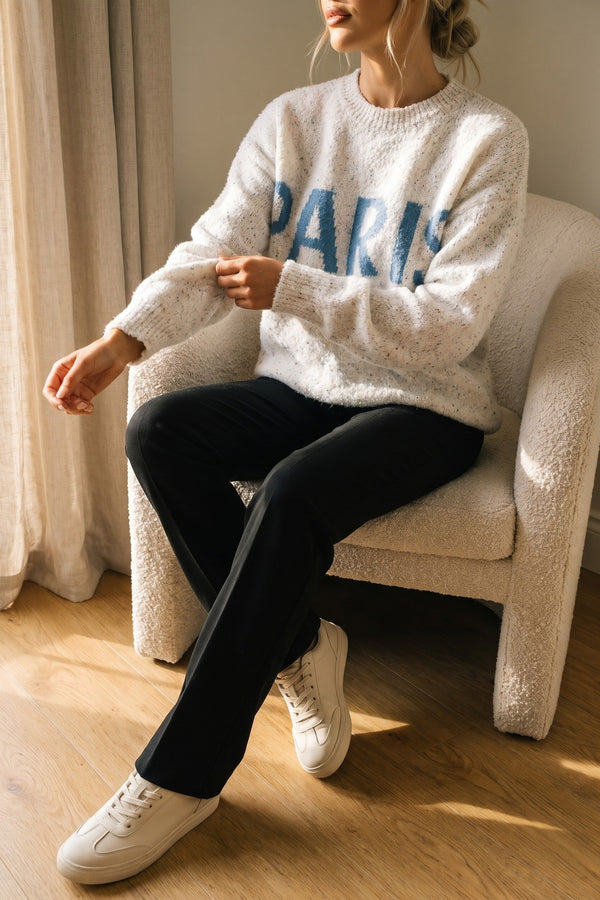
Fitted knitwear in a fine or medium knit works better under coats than chunky cable styles. If you want an oversized silhouette, keep it to one layer and wear it as your outer piece, not buried under a jacket where it doubles your size. The rule is simple: tighter underneath, looser on top, never both at once.
Shop Women's Jumpers
Shop all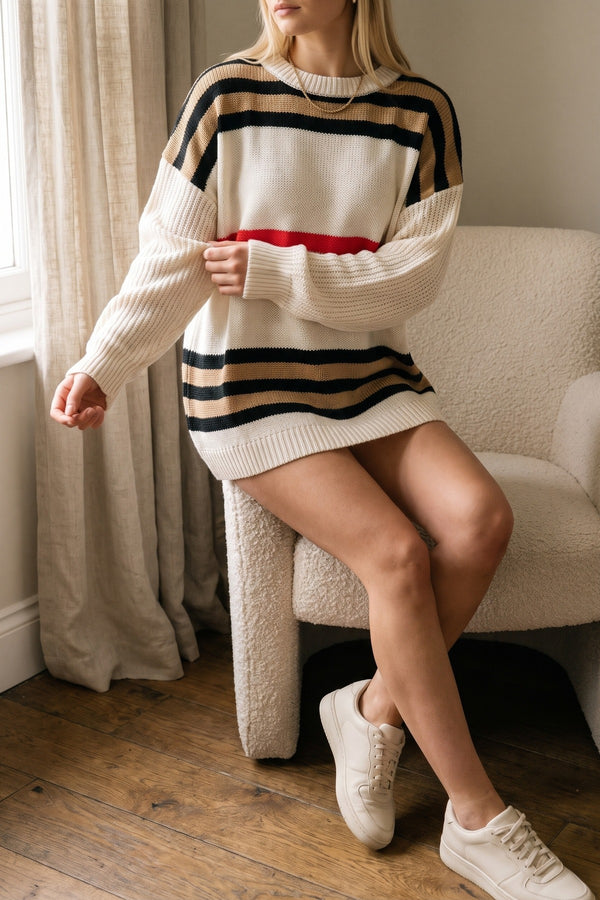

Outer layers and proportion
Your coat or jacket sets the final silhouette, so choose a length and cut that balances what is underneath. A longline coat over slim trousers or leggings creates a sleek vertical line. A cropped jacket with wide-leg trousers keeps your waist visible. Skip a boxy coat over a chunky jumper and baggy jeans, or you lose all shape.
Structured jackets with a bit of tailoring through the body stop the padded, rounded look that happens with too many soft layers. If you are wearing a thicker mid layer, leave your coat open or cinch it at the waist with a belt. Consider sleeve length too: a coat that finishes above the wrist shows off slim cuffs and stops fabric stacking at your hands.
How to layer clothes in winter: bottoms, tights and boots
Thick thermal tights under trousers sound logical, but the double layer can feel tight and uncomfortable. Instead, wear lined or fleece-backed trousers on their own, or tights under a skirt or dress with knee-high boots. Layering bottoms works best when the outer piece is roomy enough to accommodate the inner without pulling.
Slim-fit or straight-leg trousers balance out the volume of a longer coat or oversized jumper. If you are adding tights underneath, go for looser cuts like wide-leg or barrel styles. Ankle boots with a 5 cm heel lengthen your leg line and stop a heavy, grounded look when you are wrapped up on top.
Accessories that add warmth without bulk
A scarf, hat and gloves add serious warmth without changing your silhouette. Choose a scarf in a lightweight fabric that drapes rather than a chunky knit that sits like a cushion around your neck. Loop it once or twice, not so many times it pushes your coat collar up and adds bulk at your shoulders.
A beanie keeps your head warm without the fluff of a pom-pom or oversized slouch style. Gloves in a slim fit tuck into your coat sleeves neatly, while knitted ones can bunch at the wrists. These small changes keep your outline clean when you are fully layered up for a cold day in town or on the train.
Three outfit formulas for winter layering outfits
For the office or a meeting, try a fitted base layer tucked into high-waisted wide-leg trousers, a fine-knit crew neck jumper and a longline coat left open. Ankle boots with a 5 cm block heel finish it off. The long vertical lines keep you looking tall and streamlined, even with three or four pieces on.
At the weekend, wear a slip dress over a fitted long-sleeve top with opaque tights and knee-high flat boots. Add a belted coat to define your waist. The dress acts as your outer layer, so you stay warm without the bulk of separates. If you need more ideas on this formula, our guide to wearing slip dresses in winter helps.
For casual days, pair slim jeans or leggings with a longline base layer, a cropped jumper and a short puffer jacket. The cropped mid layer keeps your hips visible and stops the jacket from looking boxy. Chelsea or lace-up boots in a sleek silhouette keep the bottom half equally streamlined. These winter layering outfits all follow the same logic: fitted where layers meet, structure at the edges.
Shop Long Sleeve Tops
Shop all

Frequently asked questions
How do you layer clothes without looking fat?
Wear fitted base layers close to your skin, then add one looser piece on top. Keep trousers or skirts slim if your coat is oversized, or wear a structured jacket with wider bottoms. Avoid bulky fabrics in every layer at once, and tuck tops in to define your waist. Vertical lines from longline coats or high-waisted trousers help too.
What is the best base layer for winter?
A fine, fitted top in a lightweight fabric that sits flat under knitwear and coats. Choose a crew or high neck depending on what you are wearing over it, and tuck it into your bottoms so it does not ride up. The thinner the base layer, the more room you have for warm mid and outer layers without bulk.
How many layers should I wear in winter?
Three is usually enough: a base layer, a mid layer like a jumper or cardigan, and an outer coat or jacket. Add a scarf, hat and gloves when it is very cold. More than three clothing layers often adds bulk without extra warmth. Focus on how to dress warm and stylish by choosing the right fabrics and fits instead of piling everything on.


