


Block heels vs stiletto heels: comfort and stability
The choice between block heels vs stiletto heels comes down to how long you need to stand and what surface you're walking on. Block heels distribute your weight across a wider base, so there's less pressure on the ball of your foot and far better balance on uneven ground. A 7cm block heel feels steadier than a 5cm stiletto because that extra width gives you something to lean into.
You can wear block heels on cobblestones, grass and wooden floors without wobbling. They work for autumn weddings in country venues and winter parties where you're moving between carpet and tiles. The wider heel also means less risk of sinking into soft ground or catching in a pavement crack.
Shop Block Heels
Shop all


Stilettos: shape and when they're worth it
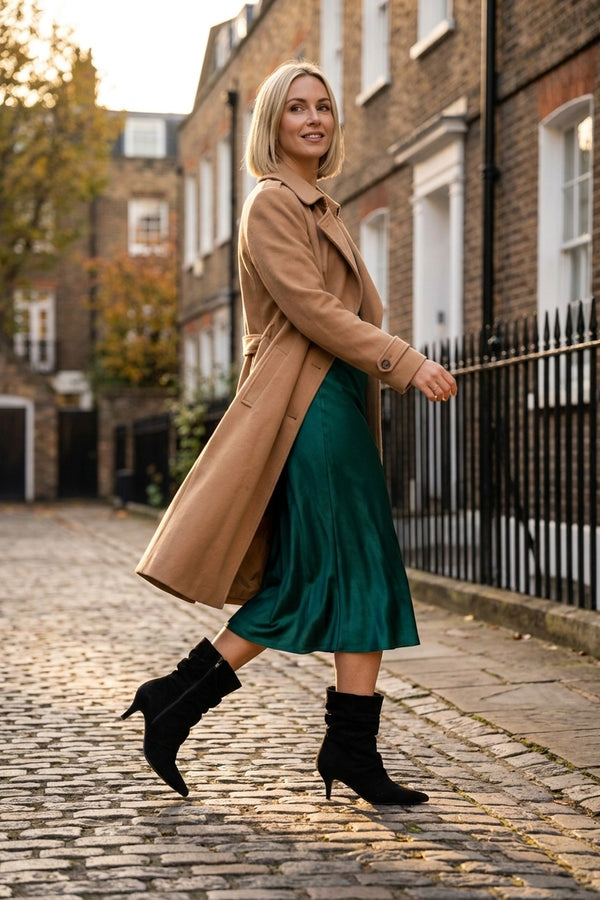
Stilettos change your posture. That narrow heel tips you forward, lengthening your calf and making your legs look longer under midi skirts and wide-leg trousers. The silhouette is sharper, especially in patent or metallic finishes that catch the light as you walk.
They're worth it when you're standing for under two hours and moving on hard, flat surfaces like polished concrete or ballroom floors. Think seated dinners, theatre trips or drinks receptions where you're not on your feet the whole time. Skip them for outdoor events or anywhere with gravel, grass or uneven paving.
Shop Stiletto Heels
Shop all


Comfort test: standing, walking, dancing
Standing still is harder in stilettos than walking. After an hour the ball of your foot starts to ache because all your weight presses into one small point. Block heels spread that load, so you can stand through a ceremony or mingle at a gallery opening without shifting from foot to foot.
Walking any distance tips the balance further towards block heels. A 10cm stiletto demands tiny steps and constant attention to where you place your foot. An 8cm block heel lets you stride normally and keeps your ankles stable when you're crossing a car park or climbing steps.
Dancing is easier in a block heel or stiletto with an ankle strap. The strap stops your foot sliding forward, which is what causes blisters and cramping toes. Without it you'll be adjusting your shoes every few songs instead of staying on the floor.
Which suits which dress or trouser
Mini dresses and bodycon shapes pair well with stiletto heels because the narrow heel balances close-fitting fabric. A block heel can look too heavy under a tight mini, though it works if the dress has volume or texture.
Midi and maxi hemlines suit block heels better. The extra stability matters when fabric brushes your ankles, and a chunkier heel holds its own against a longer silhouette. Stilettos can disappear under a floor-length gown unless the dress has a high slit.
Wide-leg trousers need a taller heel to keep the hem off the ground, and stilettos give you that height without adding bulk. Straight-leg or cigarette trousers work with either, though a block heel looks more contemporary with tailored wool or denim. Our guide to pairing heels with different cuts goes deeper.
Which heel for a wedding and parties
Which heel for a wedding depends on the venue and the schedule. Garden weddings, barn receptions and any outdoor ceremony mean block heels. You'll sink into grass in stilettos, and you'll spend the whole day worrying about your footing instead of enjoying yourself.
Hotel ballrooms, city venues and indoor receptions give you more choice. If the ceremony and reception are in the same room and you're seated for most of the meal, stilettos work. If you're moving between spaces, standing for photos or dancing after dinner, block heels will feel better by hour three.
Evening parties follow the same logic. Cocktail parties with standing canapés suit block heels. Seated dinners or short receptions let you get away with stilettos, especially if you're taking a taxi door to door and not walking far.
Shop Block High Heels
Shop all


How to make either more comfortable
Gel insoles help with both styles. Stick them under the ball of your foot to cushion the pressure point that hurts most in stilettos, or use them in block heels if you're wearing them all day. They're thin enough to fit inside most strappy heels without making the shoe too tight.
An ankle strap or T-bar keeps your foot secure and stops you gripping with your toes, which is what causes cramp. A slingback will always slip more than a closed heel. Pick the pair with more straps if you're choosing between two at the same height.
Break them in before the event. Wear new heels around the house for 20 minutes at a time over a few days, especially on carpet, to soften the insole and let the upper mould to your foot. Turning up in unworn shoes means blisters, no matter which style you choose.
Shop Heels
Shop all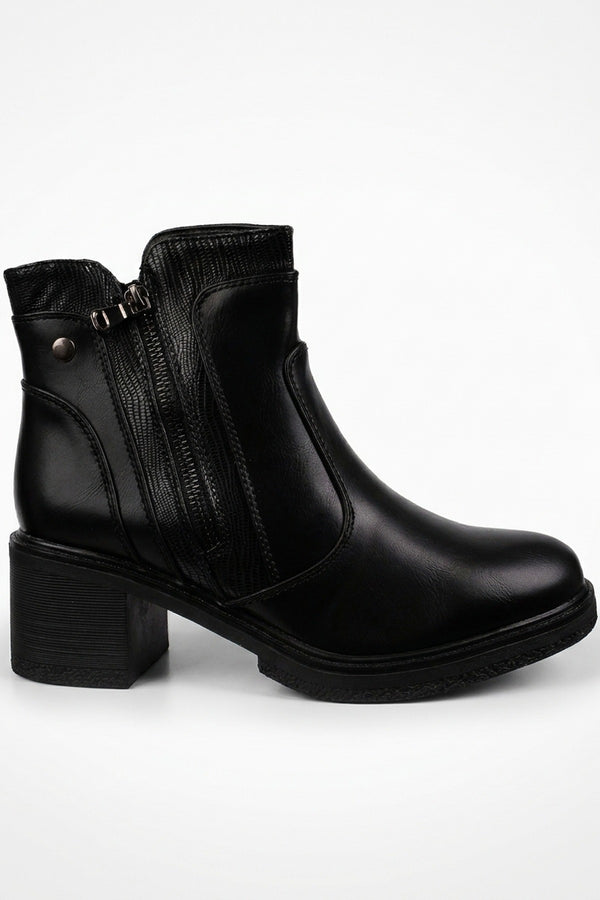

The short version
Choose a block heel or stiletto based on where you're going and how long you'll be there. Block heels work if you're standing for more than two hours, walking on grass or cobblestones, or dancing most of the night. They suit midi and maxi lengths and give you stability on any surface.
Pick stilettos for seated events, short receptions and when you want a sleeker line under mini dresses or wide-leg trousers. Keep them for indoor venues with smooth floors and bring a backup pair of flats if you're staying past midnight.
Frequently asked questions
Are block heels more comfortable than stilettos?
Yes, block heels are more comfortable than stilettos because they distribute your weight over a wider surface. This reduces pressure on the ball of your foot and improves stability, especially on uneven ground. You can stand and walk longer in block heels without pain. Stilettos concentrate all your weight on a narrow point, which gets uncomfortable after an hour or two.
Can you dance in block heels?
You can dance comfortably in block heels, especially styles with ankle straps that keep your foot secure. The wider base gives you better balance for spins and quick steps, and you won't wobble as much as you would in a thin stiletto. Block heels work well for weddings and parties where you'll be on the dancefloor most of the evening.
What heel height is best for all-day wear?
A heel height between 5cm and 8cm works best for all-day wear, especially in a block heel style. This range gives you lift without tipping your weight too far forward, and it's low enough to keep your ankles stable. Stay closer to 5cm if you're walking long distances or standing on hard floors for hours at a time.


